

Equestrian Psychotherapy
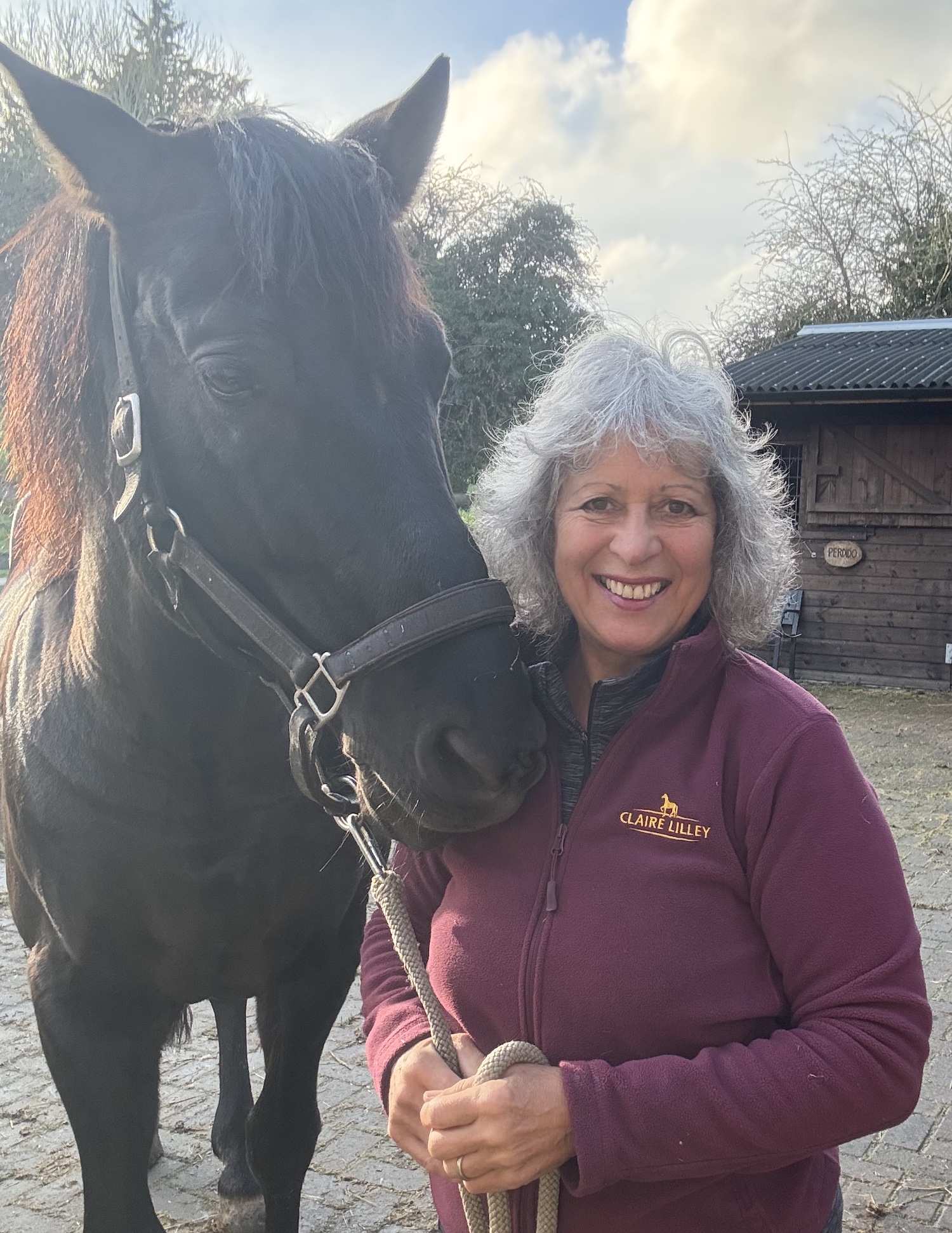 With many years of experience as both a rider and coach, and as a psychotherapist with an equestrian background, I combine many years of experience into my unique approach to help you to get the best out of your relationship with your horse.
When you worry, your nervous system goes into survival mode, looking out for danger. Your horse reacts to your adrenalin levels, and becomes fearful, mistrustful. You are no longer his ‘safe person’. Panicking can lead to poor decision making. I can help you to prioritise a sense of calm, before making choices.
Some of the issues we can work with:
- Loss of confidence
- Lack of trust in your horse
- Performance anxiety at competitions
- Residual fear from riding incidents
- Post traumatic stress (PTSD) from frightening experiences
- Grief from the loss of a beloved horse (or human)
- Lack of self-worth, self-doubt
and more ……………
How can equestrian psychotherapy help?
As a rider, most are aware of learning the physical side to riding, such as your riding position, and the aids. Also, keeping yourself and your horse physically fit and well adds to the enjoyment of being able to achieve your goals. You might aim for a competition, or to be able to hack safely.
 Equally as important is being aware of your thoughts and emotional responses to your horse. We will work with getting to know how your nervous system works, alonside your horse’s.
If your horse is spooky, or you feel he does not understand you, I can help you to take a look at what is going on for you emotionally which may be affecting your horse too.
You may face choices about your horse, or your riding career. talking through your options in sessions can give you a clearer picture about your decisions.
My aim is help you to take the stress and worry out of ‘what if’ scenarios which turn up in your mind, thinking logically rather than responding emotionally. learn how to Be aware of your emotional response – your feelings/mood when you are with your horse, or thinking about things in the night. What stresses you? What makes you feel relaxed?
Building a better relationship with your horse is about how you work as a team. Sessions will include ‘talking therapy‘ without the horse, to gain self-awareness and to explore emotional issues going on for you. We will also work with your body to help you to relax and remain calm with your horse, to improve how you function together.
What happens in sessions?
I aim to help you to work through problems before putting them into practice with your horse. If we are working on-line, we can discuss a short video of you and your horse in action together. We can schedule an initial session to see how best I can be of help. A minimum of 4-6 sessions are recommended to get a good understanding of what is going on for you.
I work with adults (over 18 years) on a one-to-one basis. Sessions can be in person at my therapy centre (without your horse) or on-line using Zoom. Ridden sessions can be also be done virtually using Zoom.
The Psychology of Horsemanship Webinar is available from the shop page.
You may find my latest book, The Psychology of Horsemanship supportive in your quest to improve your understanding of your horse.

 Breathe. Yes, I know it sounds simple, but there’s more to the effect of conscious breathing. Your nervous system has two parts: the adrenalin activated side which gears you into action, (feeling nervous or excited) and the calming part, for rest, recovery, safety.
 Practice finding the flow between feeling a bit scared (challenged), and back to calm. This flow expands as you get to know what you are capable of.

 Or
Or